From a young age, the Samburu people captivated me. My mother, who ran hotels in East Africa, always swore by their loyalty and resilience. They were her most trusted security guards.
I'd find myself drawn to these enigmatic figures, their traditional dress, adorned with vibrant beads and radiating warmth through their wide, white smiles. They were something out of a fairytale to my childhood eyes. As I grew older, I began to document their lives through film and photography, my admiration for their unwavering spirit, bravery, and way of life only deepened.
Guardians of Mukima
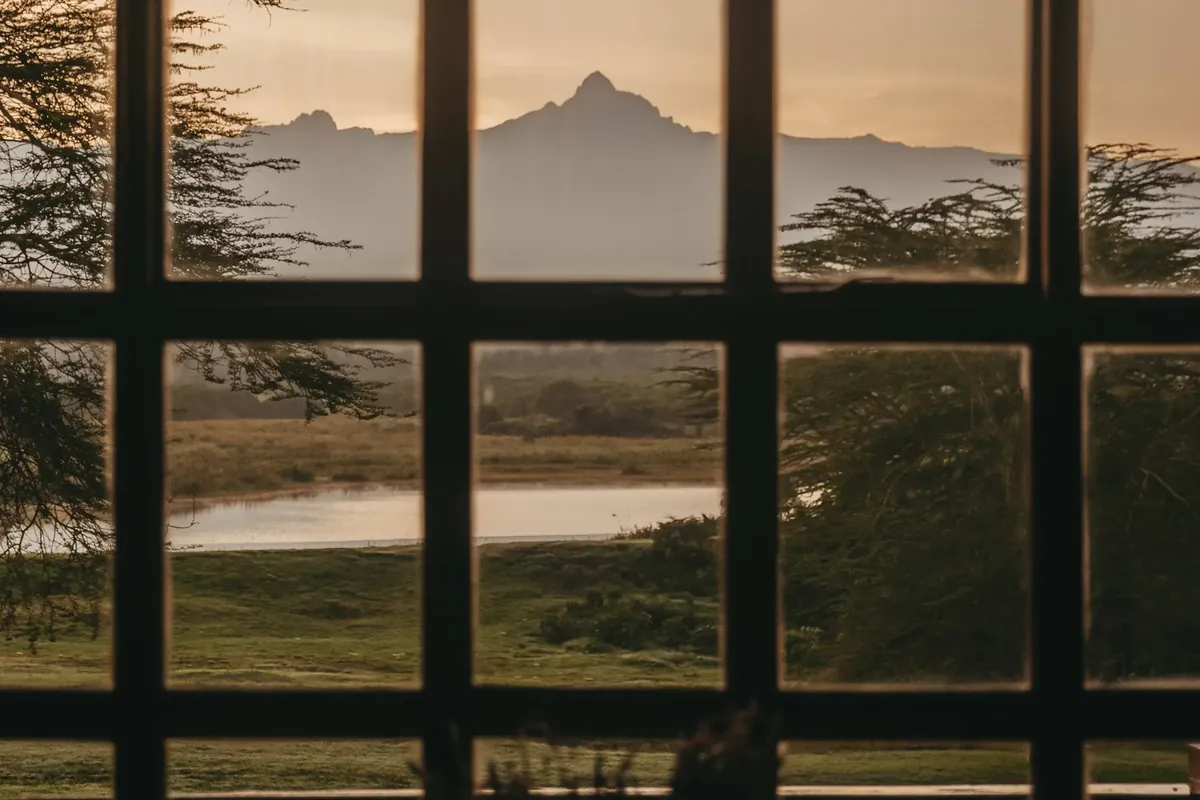
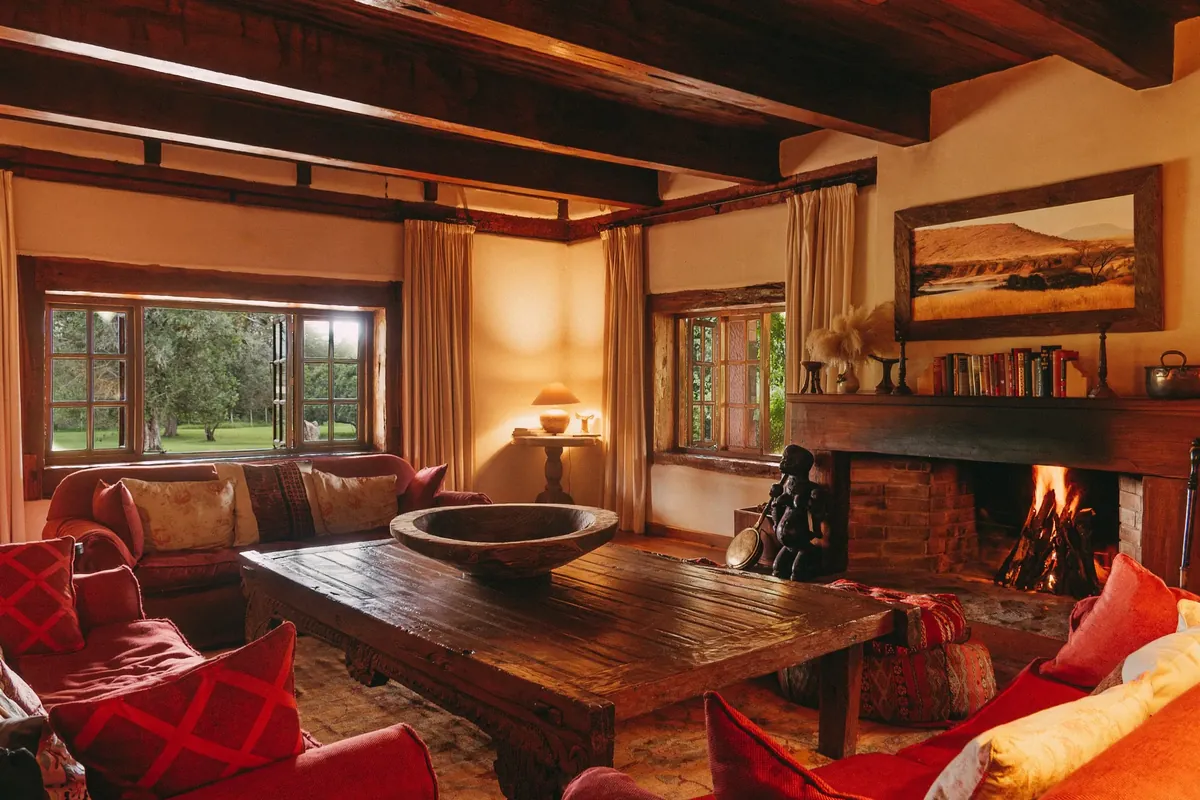
Today, we honour my mother's legacy by continuing to employ Samburu warriors, from the same original tribal group as our sanctuary's guardians. You will see these warriors walking around the Mukima Manor Nature Sanctuary, keeping guard of all that lies within. They are the protectors of our peaceful haven, a constant source of comfort.
The Samburu speak a Samburu dialect of the Maa language. My Maa is far from perfect, but gestures, smiles, and shared meals carry the rest of the conversation. The warriors who walk our land carry generations of knowledge, of plants, of wildlife, of weather, of the silences in between.
Cattle are not just wealth, but family.
A people of the north
The Samburu are a Nilotic people, related to the Maasai but distinct in their dialect, dress, and customs. They are pastoralists, traditionally herding cattle, goats, and camels across the semi-arid lands of northern Kenya. Their relationship with their livestock is sacred, cattle are not just wealth, but family.
Their dress is unmistakable: vibrant red and orange cloths wrapped over the shoulder, intricate beaded necklaces stacked high, and ornaments crafted from copper and bone. Young warriors, the morans, wear long, ochre-dyed braids; their elders carry walking sticks polished by decades of use.
Meeting them on safari
From Mukima, the heart of Samburu country is a half-day drive north. We arrange trips to Samburu National Reserve, where you'll see the unusual five, reticulated giraffe, Grevy's zebra, Beisa oryx, gerenuk, and Somali ostrich, species found here and almost nowhere else. We can also arrange respectful visits to villages, where guests meet families, share tea, and learn directly from the people whose land it is.
It is one of the most quietly moving experiences our guests come away with.